

Crypto payment settlement time can be a competitive advantage when your business relies on fast cash flow. Traditional card payments can take days to settle, and disputes can extend that uncertainty even further. Crypto transactions, once confirmed, can settle more quickly and provide clearer visibility into paid orders.
This article explains how settlement time affects operations, how to set expectations for customers, and how to structure your crypto payment flow so that faster confirmation actually translates into better business outcomes.
Crypto payment settlement time and cash‑flow impact
Settlement speed matters most when you are moving inventory quickly or investing heavily in marketing. Faster settlement means you can reinvest revenue sooner and reduce the gap between spending and revenue. For digital products, it also means you can deliver confidently without worrying about late chargebacks.
The key is to connect settlement speed to the order lifecycle: payment detected, order marked paid, fulfillment triggered, and reconciliation completed. If any of those steps are manual, the speed advantage is lost.
Design a confirmation policy that fits your risk
Crypto networks have different confirmation times. You should define a confirmation threshold based on your risk tolerance and order value. For low‑risk orders, a single confirmation may be enough. For higher‑value orders, you may wait for additional confirmations. The decision should be consistent and communicated clearly to customers.
When the confirmation policy is predictable, customers trust the process and support requests drop.
Make settlement visible in the customer experience
Customers need clarity about what happens after payment. Show a status screen that indicates “payment detected” and “confirmed.” A short note that fulfillment begins after confirmation removes confusion. This is especially important for first‑time crypto buyers who are less familiar with on‑chain timing.
Clear status messaging reduces abandoned checkouts and prevents customers from resubmitting payments.
Stablecoins and predictable settlement
Stablecoins can make settlement more predictable because the value aligns with fiat pricing. If your store is priced in USD or EUR, stablecoins help you avoid volatility between the moment of payment and settlement. This is useful for cash‑flow planning and accounting.
Offering stablecoins alongside Bitcoin gives customers a choice while keeping your settlement process consistent.
Operational steps that preserve speed
- Use webhooks to update order status automatically.
- Record transaction hashes and confirmation timestamps.
- Define a clear confirmation threshold for fulfillment.
- Test the flow end to end before launch.
- Monitor average confirmation time monthly.
These steps make the settlement advantage real, rather than theoretical.
How to measure settlement performance
Track the time from payment initiation to confirmation, and compare it with your card settlement cycle. Also track the time from confirmation to fulfillment. If that second step is slow, your operation is the bottleneck, not the payment rail. Improving internal workflows often unlocks more value than changing networks.
Segment the data by region and order value. Settlement speed can vary based on network usage and customer behavior.
BlockBee and fast settlement
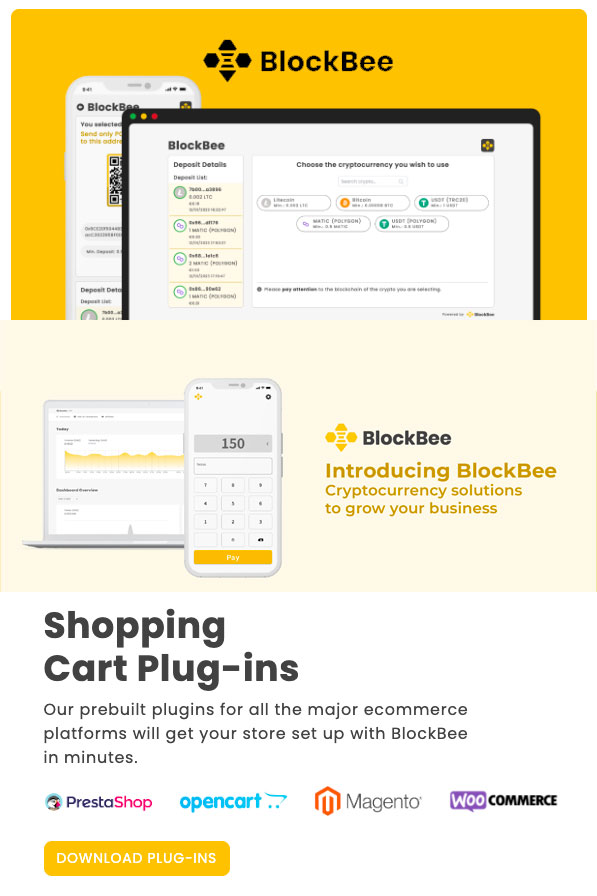
BlockBee provides real‑time payment updates and a checkout flow designed to keep settlement fast and reliable. It helps you automate order status updates and gives you clean transaction records for reconciliation. You can start with a focused crypto mix and scale when the process is stable.
Explore faster settlement options at BlockBee.
Launch checklist
- Define your confirmation threshold based on order risk.
- Keep pricing in fiat and calculate crypto at checkout.
- Provide a clear payment status screen.
- Automate order updates via webhooks.
- Review settlement performance monthly.
When confirmation is clear and operations are aligned, crypto settlement time becomes a reliable lever for better cash flow.
Settlement versus payout timing
Settlement time and payout time are not always the same. Settlement refers to when the payment is confirmed on‑chain, while payout is when funds reach your treasury or bank account. If you settle into stablecoins, you may have immediate access to funds in your wallet. If you settle into fiat, there may be an additional processing window before the payout arrives.
Be clear about this difference internally. Finance teams need to know when funds are available, not just when a transaction is confirmed. When you document this clearly, forecasting becomes more accurate and disputes inside the team drop.
Edge cases and late payments
Every crypto checkout needs to define what happens if a customer pays after the timer expires or sends the wrong amount. These edge cases are rare, but they can create support load if not handled. The safest approach is to show an error state and create a support workflow that allows manual reconciliation when needed.
Clear on‑screen instructions and confirmation emails reduce these issues. Customers are less likely to make mistakes when the payment window, amount, and network are obvious.
Customer messaging that supports faster settlement
Faster settlement only helps if customers complete the payment correctly. Use concise messaging such as “Your order will confirm after the transaction is detected” and avoid long technical explanations. If a payment is pending, display that status clearly instead of leaving the customer uncertain.
Small UX details like a progress indicator and a short confirmation email can reduce support tickets and keep the flow moving.
Aligning settlement with inventory and fulfillment
If you ship physical goods, tie fulfillment to confirmation status. For low‑risk orders, you can begin processing after the first confirmation; for higher‑value orders, require additional confirmations. This keeps the risk balanced while still benefiting from faster settlement than card payments.
For digital goods, a quick confirmation allows near‑instant delivery, which improves customer satisfaction and reduces refund requests.
Related guides: Crypto payment cash flow management: keep liquidity predictable | Crypto payment tax reporting: records that keep audits easy | Crypto subscriptions billing: recurring payments without card failures
FAQ
What is crypto payment settlement time?
Crypto payment settlement time is the time from customer payment to confirmed funds that are safe to fulfill.
How do confirmations affect crypto payment settlement time?
Confirmations affect crypto payment settlement time because each network requires a certain number of blocks before finality.
Why does crypto payment settlement time vary by network?
Crypto payment settlement time varies by network because block times and congestion differ across chains.
Can stablecoins improve crypto payment settlement time?
Stablecoins can improve crypto payment settlement time on fast networks by reducing volatility and delays from conversion.
How do fees influence crypto payment settlement time?
Fees influence crypto payment settlement time because higher fees can speed inclusion during congestion.
What is the difference between confirmation and payout in crypto payment settlement time?
Confirmation is on chain finality, while payout in crypto payment settlement time refers to when funds reach your treasury or bank.
How should merchants display crypto payment settlement time to customers?
Merchants should display status updates like pending and confirmed so customers understand crypto payment settlement time.
Can small purchases use fewer confirmations to reduce crypto payment settlement time?
Some merchants use fewer confirmations for low value orders to reduce crypto payment settlement time, with clear risk rules.
What role do webhooks play in crypto payment settlement time?
Webhooks keep orders in sync by notifying your system when crypto payment settlement time reaches confirmation.
What is the first step to optimize crypto payment settlement time?
The first step to optimize crypto payment settlement time is to select networks and confirmation thresholds that match your risk.
Editorial Q&A
Q: How does crypto payment settlement time affect cash flow timing?
A: Faster confirmations can improve liquidity compared to card settlement cycles.
Q: How do we reduce volatility exposure in crypto payment settlement time?
A: Auto-convert to stablecoins or fiat and set clear thresholds for holding.
Q: How should finance report on crypto payment settlement time?
A: Use consistent records that link orders, transaction hashes, and fiat values.
Q: What treasury policy is needed for crypto payment settlement time?
A: Define conversion rules, approval roles, and a review cadence.
Q: Can we split settlement in crypto payment settlement time?
A: Yes, many merchants split between fiat for operations and stablecoins for flexibility.
Related merchant guides
Explore by topic
Continue reading
- Alternative payments strategy: which methods improve conversion by market
- Payment processing fees decoded: hidden line items and how to negotiate them
- Best payment gateway criteria for 2026: a scoring model merchants can reuse
- International payments for online stores: reducing FX and payout friction
- Crypto payment processor comparison criteria for merchant operations
- Payment reconciliation automation: close daily books faster with fewer manual fixes
- Cross border payments for ecommerce: currency, routing, and settlement trade-offs
- Payment processing in 2026: what merchants must optimize beyond transaction fees











Join the discussion
Share a real experience or ask a focused question. Short replies are perfect.