

How to use crypto for online payments is a strategic question for businesses that want flexibility, global reach, and resilience. Crypto is not a replacement for cards or bank transfers; it is an additional rail that can reduce friction and provide options when traditional methods fail. The best approach is to treat crypto as part of a modern payment stack rather than a one‑off experiment.
This guide focuses on building a future‑ready payment system that keeps checkout fast, improves customer choice, and protects operational stability.
How to use crypto for online payments as part of a stack
Think of payments as a mix of rails. Cards, wallets, and bank transfers serve most customers, but they are not always reliable across borders or time zones. Crypto provides an alternative rail that works globally and can settle quickly. By adding crypto as an optional method, you increase your ability to convert customers who might otherwise abandon checkout.
The key is integration without disruption. Your existing checkout remains the primary flow, and crypto becomes an additional option that targets specific segments and use cases.
Build the foundation: pricing and settlement
Keep pricing in fiat and convert at checkout. This protects the customer from volatility and keeps your accounting consistent. Offer Bitcoin for brand recognition and one or two stablecoins for price‑sensitive buyers. This mix covers the majority of crypto demand without creating operational overload.
Decide how settlement works. If you want zero exposure, convert to fiat immediately. If you prefer flexibility, hold stablecoins temporarily and convert on a schedule. Document the policy and make sure finance is aligned.
UX that feels familiar
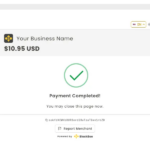
Crypto payments should feel as simple as card payments. Show a clear amount, a QR code, and a payment window. Provide a short status message so the customer knows when the payment is detected and confirmed. Keep the page clean and avoid long technical explanations.
Small trust elements help: a simple “crypto accepted” badge, a concise FAQ, and a confirmation email with the transaction reference. These details reduce support load and build confidence.
Operational controls that keep risk low
Record the transaction hash and fiat value for each order. Set clear refund rules and publish them. For high‑value orders, add manual review or additional verification. These controls prevent the few edge cases that create most losses without slowing down normal orders.
Use webhooks to update order status automatically. Manual updates create delays and increase errors, which is the opposite of what crypto is supposed to deliver.
Where crypto adds the most value
Crypto can be especially useful for international customers, digital goods, and services delivered instantly. It can also help when card payments are unreliable or expensive. Focus promotion on those segments first. You do not need to push crypto to every customer; target the audiences that benefit most.
As adoption grows, you can expand to more products and regions, using data to guide decisions.
Performance and analytics
Track conversion and abandonment specifically for crypto payments. Measure the time from payment initiation to confirmation, and monitor support requests related to crypto. These metrics tell you whether the flow is working and where to improve.
Compare revenue and margin for crypto orders versus card orders. Even small cost differences can matter at scale, and this data helps justify continued investment.
BlockBee for a future‑ready stack
BlockBee helps businesses use crypto for online payments without rewriting their checkout. It provides a clean payment flow, real‑time order updates, and support for common ecommerce platforms. You can start with a focused rollout, learn from the data, and scale when the results are clear.
Build a flexible payment stack with BlockBee and keep your checkout modern and resilient.
Implementation roadmap
Start with a pilot. Launch crypto for a small product category or a specific region, and observe how customers behave. Collect feedback from support and track conversion and refund rates. Once the flow is stable, expand to more categories and promote it more visibly.
Then optimize. Improve the payment instructions, simplify the status messaging, and reduce any unnecessary steps in the flow. These small adjustments often create the biggest conversion gains.
Aligning teams around the new rail
Crypto payments affect more than checkout. Customer support needs scripts for common questions, finance needs clean reconciliation data, and marketing needs clear messaging that focuses on convenience rather than hype. Hold a short internal training so each team understands the flow and their role in it.
When teams are aligned, crypto becomes a normal part of your payment mix rather than a special case that creates confusion.
Future‑proofing with optionality
The biggest advantage of crypto is optionality. You can add new coins, enable payment links, or expand to additional markets without rebuilding your checkout. As the market evolves, a flexible payment stack keeps you responsive. This is why many merchants treat crypto as a long‑term capability rather than a short‑term experiment.
Compliance baseline
Even if your payment processor handles most of the crypto logic, you still need basic compliance practices. Record the fiat value at payment time, store transaction references, and follow your normal tax reporting process. For high‑value orders, add a simple review step so you can verify suspicious activity without blocking regular customers.
With these controls in place, crypto payments become a stable option that finance and support teams can trust.
That trust is what drives consistent adoption.
That is the outcome.
That is enough.
Related guides: How to create a crypto payment link: sell anywhere with a shareable checkout | How to accept cryptocurrency payments: use stablecoins to control price volatility | How to integrate bitcoin payments on your website: secure setup and UX
FAQ
How to use crypto for online payments without hurting UX?
How to use crypto for online payments without hurting UX means keeping checkout simple with clear steps and status.
How to use crypto for online payments and keep settlement predictable?
How to use crypto for online payments with predictable settlement uses stablecoins and defined payout rules.
How to use crypto for online payments and handle accounting?
How to use crypto for online payments and handle accounting requires logs of transaction IDs, timestamps, and values.
How to use crypto for online payments and reduce fraud?
How to use crypto for online payments and reduce fraud uses confirmations and risk screening for high value orders.
How to use crypto for online payments across countries?
How to use crypto for online payments across countries requires clear pricing, supported assets, and compliance checks.
How to use crypto for online payments with refunds?
How to use crypto for online payments with refunds requires a documented refund workflow.
How to use crypto for online payments and manage fees?
How to use crypto for online payments and manage fees depends on network selection and settlement strategy.
How to use crypto for online payments and keep customers informed?
How to use crypto for online payments and keep customers informed means clear payment instructions and confirmation updates.
How to use crypto for online payments and secure admin access?
How to use crypto for online payments securely requires restricted roles and protected API keys.
How to use crypto for online payments first step?
How to use crypto for online payments starts by defining the checkout flow and settlement method.
Editorial Q&A
Q: What KPIs should we track after enabling how to use crypto for online payments?
A: Track crypto checkout conversion, average order value, time-to-confirmation, refund rate, and support tickets.
Q: How long does it take to go live with how to use crypto for online payments?
A: Most teams can pilot in days; full rollout depends on QA, support training, and monitoring.
Q: What is the most common mistake when rolling out how to use crypto for online payments?
A: Unclear wallet instructions or missing timers. A short explanation and visible status updates reduce drop-off.
Q: How should refunds be handled for how to use crypto for online payments?
A: Define whether refunds are in crypto, stablecoins, or fiat and document the exchange-rate policy.
Q: Does how to use crypto for online payments require changes to accounting?
A: Yes. Record the crypto amount and the fiat value at the time of sale to reconcile orders and taxes.












Join the discussion
Share a real experience or ask a focused question. Short replies are perfect.