

Crypto payments for cross-border ecommerce help global sellers reduce FX friction, speed up settlement, and make checkout friendlier to international buyers. Instead of routing every transaction through multiple intermediaries, merchants can accept crypto at the edge and settle into stablecoins or fiat on their own schedule. The result is clearer cash flow, fewer currency surprises, and a checkout that works for buyers in regions where cards are less reliable.
This guide focuses on practical steps a merchant team can apply right away. It covers pricing, settlement, compliance, and the experience a customer sees at checkout. The goal is not speculation. The goal is predictable revenue and a smooth path from order to payout.
Crypto payments for cross-border ecommerce start with pricing strategy
Pricing is where cross-border friction often begins. If you price only in local fiat and let the payment layer handle conversion, buyers can see a different total than they expected. A clear pricing policy avoids that surprise and keeps trust intact. Decide whether you will display a crypto equivalent in real time or accept crypto at the spot rate during checkout.
For most ecommerce teams, the safest approach is to lock the fiat total and let the gateway calculate the crypto amount at payment time. That keeps margins consistent while still letting the customer pay in crypto. If you want to hold crypto, define a buffer and a review cadence so price volatility does not damage your margin.
Settlement options: stablecoin payout vs fiat conversion
Settlement choices change your exposure to volatility and your treasury workflow. Stablecoin settlement gives you speed and global reach without the price risk of volatile assets. Fiat conversion provides operational simplicity if your accounting and payroll are fully fiat-based.
Many cross-border merchants blend both. A portion settles to stablecoins for supplier payments and international marketing spend, while a portion converts to fiat for payroll and taxes. A mixed settlement policy is often the most resilient and does not require you to change your existing finance stack.
Payment experience and buyer trust in global markets
The checkout experience must feel local even when the payment method is global. That means clear instructions, transparent totals, and a smooth confirmation step. Avoid long or confusing wallet steps and include a visible status update after the transaction is sent.
Offer multiple crypto options that match buyer habits. In many markets, stablecoins are preferred for everyday payments. In others, Bitcoin is viewed as the trust anchor. The right mix depends on where your traffic and sales are coming from.
Compliance, refunds, and risk management
Cross-border payments introduce compliance complexity. You need basic screening, record-keeping, and a defined refund policy. Refunds in crypto should reference the original transaction and include a clear exchange rate policy so the customer understands what they will receive.
Risk controls do not need to be heavy to be effective. Basic velocity limits, flagged regions, and a manual review path for high-value orders are often enough. Keep these controls documented so support teams can respond consistently.
Operations: accounting, reconciliation, and reporting
Accounting must reconcile crypto payments just as cleanly as card payments. Your finance team should be able to match every order to a transaction hash, a crypto amount, and a fiat value at the time of sale. This is essential for accurate tax reporting and audit readiness.
Automated reconciliation saves time. Choose a workflow that exports transaction data to your accounting tools and highlights mismatches early. That way, cross-border volume does not create back‑office chaos.
BlockBee as the crypto payments layer for global selling
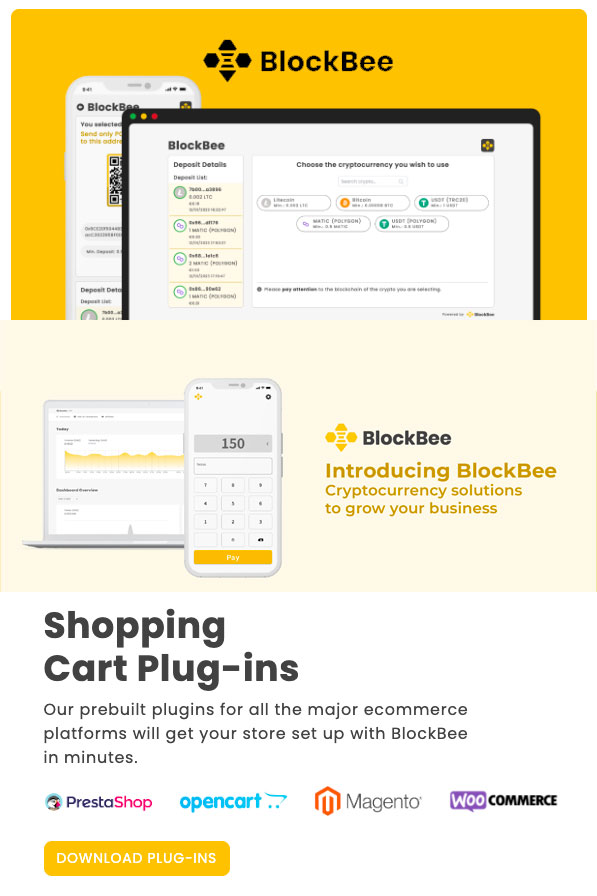
BlockBee can serve as the crypto payments layer in a global ecommerce stack. It lets you accept multiple coins and stablecoins, provides clear settlement options, and helps you keep checkout simple for international buyers. The focus is on predictable cash flow, reliable confirmation, and a checkout that works even when cards are unreliable.
If you want to explore a production-ready path to cross‑border crypto payments, BlockBee provides a merchant‑first setup that keeps your team in control of pricing, settlement, and reporting.
Related guides: Crypto payment cash flow management: keep liquidity predictable | Crypto payment tax reporting: records that keep audits easy | Crypto subscriptions billing: recurring payments without card failures
FAQ
What are crypto payments for cross-border ecommerce?
Crypto payments for cross-border ecommerce let international buyers pay with crypto or stablecoins while merchants settle into fiat or stablecoins on their own schedule.
How do crypto payments reduce FX costs?
They reduce the number of intermediary conversions, which can lower FX spreads and speed up settlement for global orders.
Do I need to price products in crypto?
No. Most merchants price in fiat and let the checkout calculate the crypto amount at payment time.
Which stablecoins are best for cross-border ecommerce?
Widely used stablecoins with strong liquidity are usually best because they offer predictable pricing and easier settlement.
How fast is crypto settlement for international orders?
Settlement depends on the network, but many transactions confirm in minutes, which is often faster than card settlement.
How should refunds work for cross-border crypto payments?
Refunds should follow a clear policy that explains whether refunds are in crypto, stablecoins, or fiat and how rates are calculated.
Do I need KYC for global crypto payments?
It depends on your risk profile and order size. Many merchants use tiered checks for higher\u2011value orders.
How do I reconcile crypto sales across currencies?
Use transaction records that include the crypto amount, fiat value at sale, and order ID to keep accounting accurate.
Are there chargebacks with crypto payments?
Crypto payments do not have traditional chargebacks, but refunds and disputes still need clear workflows.
Can I accept cards and crypto together?
Yes. Most merchants offer crypto alongside cards so buyers can choose the method that fits them best.
Editorial Q&A
Q: How do we handle taxes for crypto payments for cross-border ecommerce across borders?
A: Record the fiat value at sale and align reporting with local rules.
Q: What is the biggest pitfall in crypto payments for cross-border ecommerce?
A: Inconsistent policies across regions; one clear policy works best.
Q: For crypto payments for cross-border ecommerce, do we need localized messaging?
A: Yes, short localized copy improves trust and reduces confusion.
Q: How do we reduce FX friction in crypto payments for cross-border ecommerce?
A: Use stablecoins and settle based on a clear treasury policy.
Q: How do we expand crypto payments for cross-border ecommerce gradually?
A: Start with proven regions and expand based on conversion data.












Join the discussion
Share a real experience or ask a focused question. Short replies are perfect.