

Stablecoin payout strategy for merchants is a practical way to keep crypto payments predictable without depending on volatile assets. A good strategy defines when to settle to stablecoins, how long to hold them, and how to convert to fiat when needed. This creates a balance between flexibility and stability.
This guide outlines how to design a stablecoin payout strategy that supports ecommerce operations.
Stablecoin payout strategy for merchants starts with clear goals
Decide why you want stablecoin payouts. Common goals include faster settlement, lower conversion costs, and easier international operations. Your strategy should reflect those objectives and avoid unnecessary complexity.
When the goal is clear, the payout rules become easier to enforce.
Choose stablecoins based on liquidity and transparency
Not all stablecoins are equal. Select assets with high liquidity and clear transparency practices. This reduces counterparty risk and makes conversions to fiat more reliable. Document the approved stablecoins and review the list regularly.
Consistency prevents confusion across finance and operations teams.
Define payout timing and thresholds
Set a payout cadence that matches your cash flow needs. Some merchants settle daily to stablecoins, while others batch payouts weekly. Establish thresholds for automatic settlement so that large volumes do not sit in volatile assets longer than intended.
Predictable timing helps you plan expenses without surprises.
Connect stablecoin payouts to treasury policy
Stablecoin payouts should align with your treasury policy. Define how much you are comfortable holding in stablecoins and for how long. If your policy requires converting a portion to fiat, specify the timing and approval process.
Alignment prevents treasury drift and keeps risk under control.
Manage depeg risk with simple rules
Stablecoins can deviate from their peg. Mitigate this risk by limiting exposure and monitoring key signals such as liquidity and redemption channels. A simple rule, like converting a percentage of stablecoin balances to fiat on a schedule, can reduce risk without adding complexity.
Document a response plan for significant depeg events.
Accounting and reporting considerations
Even with stablecoins, record the fiat value at the time of payment. Stablecoins make treasury easier, but they do not change accounting requirements. Reconcile stablecoin balances regularly and track conversions to fiat so reporting remains accurate.
Consistent records keep finance teams confident and audit-ready.
Refunds and customer experience
Define how refunds are handled when payouts are in stablecoins. You can refund in the original crypto asset, in stablecoins, or in fiat. Choose a method that is fair to customers and predictable for your business, then document it clearly.
Clear refund rules reduce disputes and support customer trust.
Operational checklist for stablecoin payouts
- Define the goal of stablecoin payouts and document it.
- Select approved stablecoins based on liquidity and transparency.
- Set payout cadence and settlement thresholds.
- Align stablecoin holdings with treasury policy.
- Document depeg response and refund rules.
BlockBee and stablecoin-ready payouts
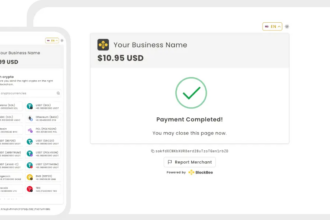
BlockBee provides real-time payment status and settlement data that make stablecoin payouts easier to manage. You can track inflows, document settlement timing, and export consistent records for finance teams. This keeps your stablecoin strategy organized and reliable.
Learn how to implement a stablecoin payout strategy for merchants with BlockBee.
Make stablecoin payouts a growth enabler
A stablecoin payout strategy is not just a technical choice. It is a way to make crypto payments predictable, reduce operational friction, and expand globally. When the policy is clear, teams can focus on growth instead of manual treasury work.
Consistency and documentation are the foundations of a stablecoin strategy that scales.
Review and optimize over time
Markets and business needs change. Review your stablecoin payout strategy quarterly to confirm that settlement timing, approved assets, and exposure limits are still appropriate. Update the policy based on data and operational feedback rather than market noise.
Regular reviews keep your strategy resilient and aligned with business goals.
Network selection and payout costs
Stablecoin transfers happen on different networks, each with different fees and confirmation times. Choose the networks that align with your customer base and operational needs. Lower fees are useful, but reliability and liquidity matter more for settlement. Document which networks are approved for payouts and why.
A clear network policy prevents ad-hoc decisions that increase cost or risk.
Multi-currency payouts for global operations
If you operate across multiple regions, stablecoin payouts can act as a universal settlement layer. You can convert to local fiat when needed or pay international partners in stablecoins. Define which partners can accept stablecoin payouts and how conversions are handled.
When the rules are clear, global payments become faster and easier to reconcile.
Automation and access control
Automate stablecoin payouts where possible to reduce manual errors. Use approval workflows for large transfers and limit access to payout settings. This protects funds and ensures that changes are intentional.
Even basic automation, like scheduled settlements and export logs, can improve reliability.
Counterparty and liquidity checks
Stablecoin payouts rely on liquidity. Monitor liquidity sources and make sure you can convert to fiat when needed. Avoid relying on a single conversion path. Diversifying liquidity options reduces the risk of delays during high-volume periods.
Include a short checklist for liquidity review in your treasury process.
When payouts are stable and predictable, finance teams can plan with confidence. That confidence reduces operational friction and supports long-term growth.
KPIs to monitor
Track payout time, settlement cost, and the percentage of crypto revenue held in stablecoins. These KPIs show whether the strategy is working and where adjustments are needed.
When new markets open, review payout routes and make sure local partners can receive stablecoins without delays.
Related guides: Crypto treasury policy for ecommerce: clear rules for holdings | How Skipping Breakfast May Be Harming Your Mental Health | From Trend to Staple: Why Plant-Based Burgers Are Here for Good
FAQ
What is a stablecoin payout strategy for merchants?
A stablecoin payout strategy for merchants defines how and when crypto revenue is converted into stablecoins so settlement stays predictable.
How does a stablecoin payout strategy for merchants reduce volatility risk?
A stablecoin payout strategy for merchants reduces volatility risk by converting proceeds to stablecoins at preset rules rather than holding volatile assets.
Which stablecoins fit a stablecoin payout strategy for merchants?
Which stablecoins fit a stablecoin payout strategy for merchants depends on your markets, liquidity, and compliance requirements, so choose widely used, regulated options.
How often should a stablecoin payout strategy for merchants settle funds?
How often a stablecoin payout strategy for merchants settles funds should match cash\\u2011flow needs, such as daily or weekly settlement cycles.
Can a stablecoin payout strategy for merchants support partial payouts?
A stablecoin payout strategy for merchants can support partial payouts by splitting settlement between stablecoins and fiat based on treasury policy.
How does a stablecoin payout strategy for merchants affect accounting?
A stablecoin payout strategy for merchants affects accounting by requiring clear valuation at receipt and consistent reporting for stablecoin balances.
What fees matter in a stablecoin payout strategy for merchants?
The fees that matter in a stablecoin payout strategy for merchants include network fees, conversion spreads, and any payout or settlement costs.
How do refunds work with a stablecoin payout strategy for merchants?
Refunds in a stablecoin payout strategy for merchants should follow a defined policy that maps refunds to the original asset or stablecoin equivalent.
Does a stablecoin payout strategy for merchants require a treasury policy?
Yes, a stablecoin payout strategy for merchants works best when paired with a treasury policy that defines reserves and conversion triggers.
What is the first step to set a stablecoin payout strategy for merchants?
The first step to set a stablecoin payout strategy for merchants is to define payout goals such as speed, risk tolerance, and supported currencies.
Editorial Q&A
Q: How does stablecoin payout strategy for merchants affect cash flow timing?
A: Faster confirmations can improve liquidity compared to card settlement cycles.
Q: Can we split settlement in stablecoin payout strategy for merchants?
A: Yes, many merchants split between fiat for operations and stablecoins for flexibility.
Q: For stablecoin payout strategy for merchants, should we settle to fiat or stablecoins?
A: Fiat is simpler for accounting; stablecoins add flexibility for global payouts.
Q: How should finance report on stablecoin payout strategy for merchants?
A: Use consistent records that link orders, transaction hashes, and fiat values.
Q: What treasury policy is needed for stablecoin payout strategy for merchants?
A: Define conversion rules, approval roles, and a review cadence.












Join the discussion
Share a real experience or ask a focused question. Short replies are perfect.