

How to integrate crypto payments on website is often discussed as a technical integration, but the real business benefit is speed. When payments settle faster, cash flow improves, inventory turns faster, and finance teams can plan more confidently. The goal is to integrate a crypto rail that works alongside your existing payment stack and removes avoidable delays.
This guide is designed for ecommerce and digital businesses that want to keep their checkout intact while introducing crypto in a controlled, measurable way.
How to integrate crypto payments on website with a settlement‑first mindset
Start by deciding how you want settlement to work. If your business needs fast access to funds, you should prioritize a processor that confirms payments in real time and offers clear settlement options. Some merchants settle into stablecoins to keep value steady; others convert to fiat on a schedule. Both can work, but the choice should match your cash‑flow cycle.
Integration is not only about the payment widget. It is also about the order lifecycle: payment detected, order marked paid, fulfillment triggered, and reconciliation completed. If any step is manual, the speed advantage disappears.
Map the payment flow end to end
Before you install anything, map your current checkout flow from cart to order completion. Identify where the payment gateway posts the transaction, how the order status updates, and which systems your team uses to fulfill. This mapping lets you plug crypto into the same workflow without adding new bottlenecks.
A clean integration usually uses webhooks to update order status, plus a dedicated payment status page that confirms the transaction to the customer. When these pieces are in place, the checkout feels smooth and the back office stays consistent.
Why faster settlement matters
Card payments can take days to settle and can be reversed through disputes. Crypto payments, by contrast, can be confirmed and finalized quickly, which is valuable for businesses that ship quickly or rely on rolling cash flow. Faster settlement also helps reduce the gap between marketing spend and revenue recognition, which is critical when you scale paid acquisition.
For subscription or SaaS models, faster settlement reduces the risk of payment failures after service is already delivered. That can improve operational efficiency and reduce support load.
Designing a stable pricing experience
Pricing stability is essential for a smooth checkout. Even if customers pay in crypto, your catalog should remain in fiat. The conversion should happen at the moment of payment using a live rate and a defined payment window. This approach prevents surprises and keeps the customer experience consistent.
Offering a stablecoin option can further improve clarity for buyers who want to pay in crypto without volatility. You can keep the payment experience familiar while still offering the benefits of blockchain settlement.
Security, compliance, and operational controls
Crypto payments are secure when implemented correctly, but they require attention to process. Ensure that each order records the transaction hash and the fiat value at the time of payment. If you handle high‑value orders, consider additional checks such as customer verification or manual review rules.
Refunds should be defined in your policy before launch. Decide whether you refund in crypto or fiat, and document the timing and process. Clear policies prevent confusion and protect your reputation.
Integration steps that keep your team aligned
- Choose a payment provider and confirm supported platforms.
- Install the integration and enable webhook callbacks.
- Set supported coins and networks with clear labels.
- Test the payment flow end to end, including fulfillment.
- Document the refund and support process.
- Monitor settlement timing and order status accuracy.
Make the checkout feel intentional
Crypto buyers expect clarity. Show the payment amount, network, and time window. Use plain language to explain when the order is confirmed and what happens next. A short confirmation screen, plus an email receipt that includes the transaction reference, adds confidence.
Avoid overloading the checkout with technical details. Provide a link to a short FAQ if needed, but keep the decision process simple and fast.
BlockBee as a settlement‑ready option
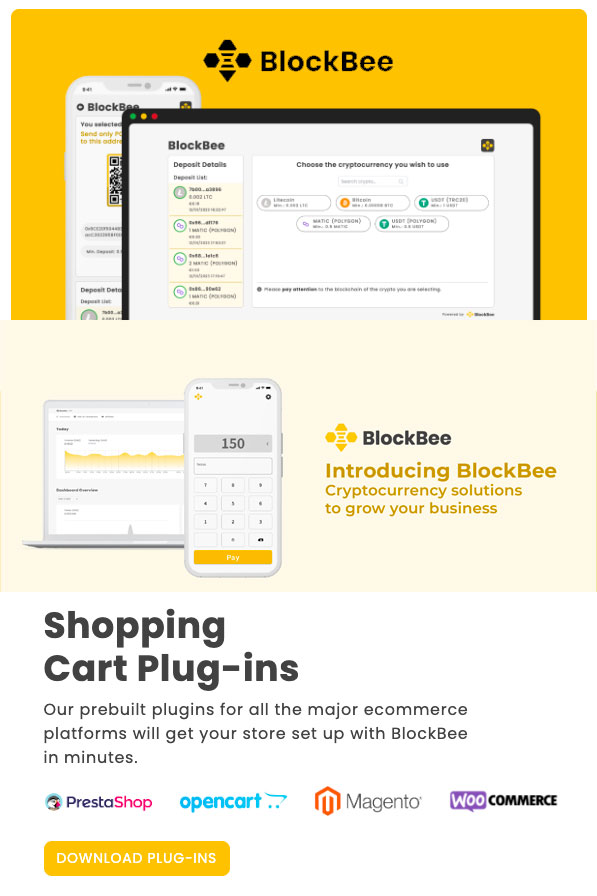
BlockBee gives merchants a streamlined way to integrate crypto without compromising checkout speed. It provides real‑time payment updates, works with common ecommerce stacks, and supports a payment flow that keeps your order management consistent. You can launch with a small set of coins, validate the cash‑flow impact, and scale when the process is stable.
Explore the integration options at BlockBee and build a payment flow that makes settlement faster instead of more complex.
Metrics to track after launch
Speed only matters if it improves outcomes. Track time from payment initiation to confirmation, and compare it to your card processing timeline. Measure order completion rate for crypto versus card payments, and watch for customer drop‑off during the payment window. If crypto conversion is lower, adjust the UI or reduce friction in the payment step.
Also track refund volume and support tickets related to crypto orders. A spike in support requests usually points to unclear instructions or poor confirmation messaging. Fixing those details often produces quick wins and helps the integration pay for itself.
Rollout plan for stability
Launch crypto to a small audience first, such as a specific country or a limited product category. This makes it easy to observe behavior and resolve edge cases before you scale. Once the order flow is stable and finance is comfortable with reconciliation, expand to all customers and promote the option more visibly.
A measured rollout keeps both your customers and your internal teams confident as you add a new payment rail.
Related guides: How to use crypto for online payments: build a flexible, future-ready stack | How to create a crypto payment link: sell anywhere with a shareable checkout | How to accept cryptocurrency payments: use stablecoins to control price volatility
FAQ
How to integrate crypto payments on website with fast settlement?
How to integrate crypto payments on website for fast settlement depends on network choice and confirmation thresholds.
How to integrate crypto payments on website with a custom checkout?
How to integrate crypto payments on website with a custom checkout uses APIs to create a unique address per order.
How to integrate crypto payments on website and keep cash flow stable?
How to integrate crypto payments on website while keeping cash flow stable often uses stablecoin settlement rules.
How to integrate crypto payments on website without code?
How to integrate crypto payments on website without code is possible with a hosted checkout or payment link.
How to integrate crypto payments on website and track confirmations?
How to integrate crypto payments on website and track confirmations requires webhooks and clear order states.
How to integrate crypto payments on website and manage partial payments?
How to integrate crypto payments on website should define how to handle underpayment or overpayment cases.
How to integrate crypto payments on website and control fraud?
How to integrate crypto payments on website and control fraud uses confirmation rules and risk screening for large orders.
How to integrate crypto payments on website and report transactions?
How to integrate crypto payments on website and report transactions requires exporting payment logs for accounting.
How to integrate crypto payments on website and keep UX simple?
How to integrate crypto payments on website and keep UX simple uses clear steps, QR codes, and status updates.
How to integrate crypto payments on website first step?
How to integrate crypto payments on website starts by deciding the checkout flow and supported assets.
Editorial Q&A
Q: Can we split settlement in how to integrate crypto payments on website?
A: Yes, many merchants split between fiat for operations and stablecoins for flexibility.
Q: How does how to integrate crypto payments on website affect cash flow timing?
A: Faster confirmations can improve liquidity compared to card settlement cycles.
Q: For how to integrate crypto payments on website, should we settle to fiat or stablecoins?
A: Fiat is simpler for accounting; stablecoins add flexibility for global payouts.
Q: How do we reduce volatility exposure in how to integrate crypto payments on website?
A: Auto-convert to stablecoins or fiat and set clear thresholds for holding.
Q: What treasury policy is needed for how to integrate crypto payments on website?
A: Define conversion rules, approval roles, and a review cadence.












Join the discussion
Share a real experience or ask a focused question. Short replies are perfect.