
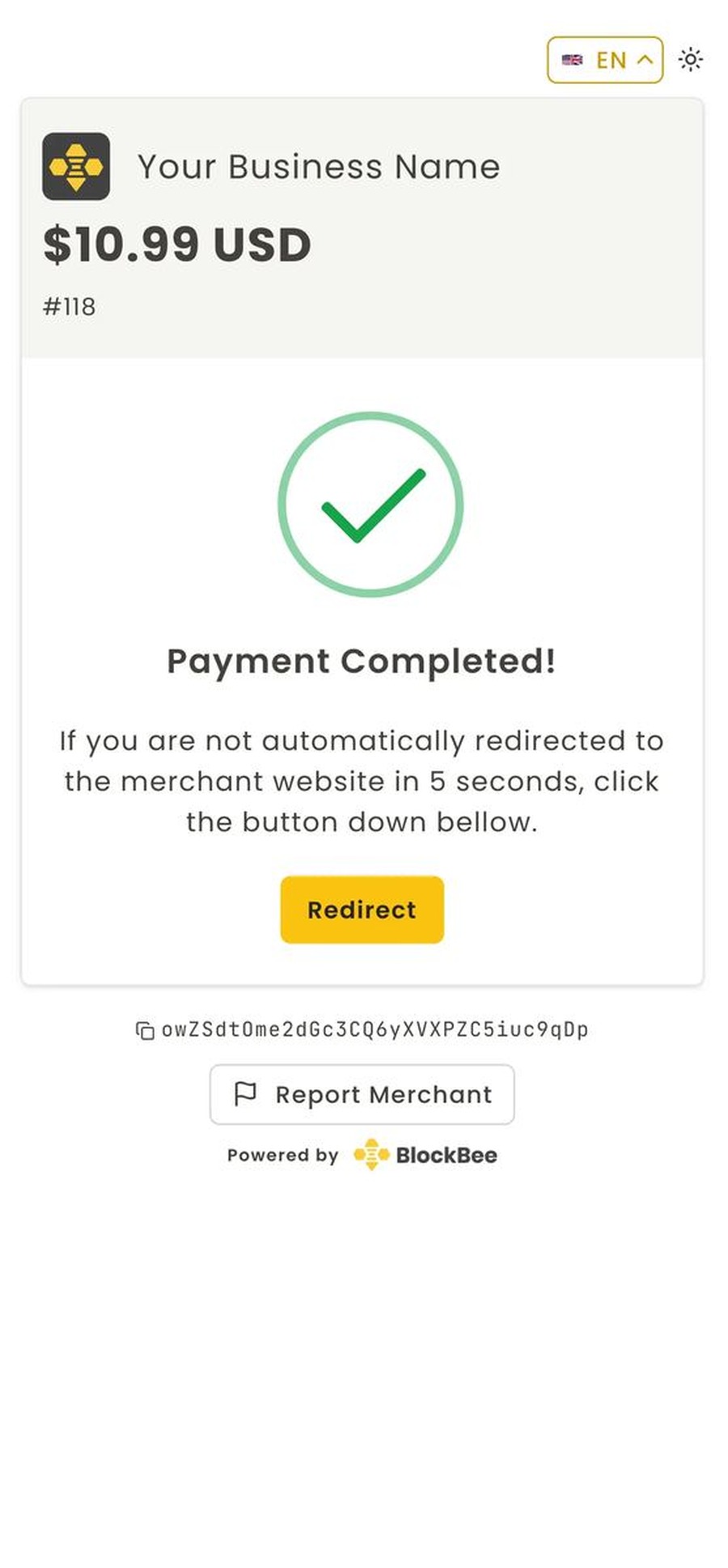
Crypto payments for high-risk industries can provide an alternative when card processing is restricted or expensive. High‑risk merchants need payment options that are reliable, compliant, and transparent. Crypto can be a strong fit if risk controls are clearly defined.
This guide outlines the approval steps, risk controls, and operational practices that help high‑risk merchants use crypto payments safely.
Crypto payments for high-risk industries and approval requirements
High‑risk industries often face stricter compliance checks. Merchants should document their business model, refund policies, and customer verification practices. A clear risk profile speeds approval with payment providers.
Provide transparent documentation during onboarding. If your category has restrictions, address them proactively instead of waiting for a review flag.
Risk controls for disputes and refunds
Dispute risk is higher in some industries, so a consistent refund policy is essential. State whether refunds are issued in crypto or fiat and how exchange rates are calculated.
Set clear delivery proof standards. The more evidence you have for fulfillment, the easier it is to resolve disputes quickly.
Order monitoring and velocity limits
High‑risk merchants benefit from strong monitoring. Use velocity limits and manual review for unusually large or frequent orders. This prevents fraud without blocking legitimate buyers.
Segment risk thresholds by product type and order size. A simple tiered system works better than complex rules.
Compliance and restricted regions
Compliance is critical for high‑risk categories. Maintain a list of restricted regions and enforce it consistently. This reduces exposure and protects your business from regulatory issues.
Document your compliance steps internally and ensure your support team can explain them to customers.
Communication and transparency
Clear communication reduces disputes. Inform customers about payment confirmation times, refund policies, and any additional verification steps.
Transparency builds trust, which is especially important in high‑risk categories where buyer skepticism is higher.
BlockBee for high‑risk merchant crypto payments
BlockBee provides a crypto checkout that supports clear policies, stablecoin settlement, and reliable transaction records. This gives high‑risk merchants the tools to manage payments responsibly without unnecessary friction.
For high‑risk businesses seeking a compliant crypto payment path, BlockBee offers a merchant‑first solution designed for control and transparency.
Related guides: Crypto payment risk management: policies that protect revenue | Crypto payment security best practices: protect wallets and checkout | Crypto payment fraud prevention: reduce risk without blocking good orders
FAQ
What are crypto payments for high-risk industries?
They are crypto checkout options used by higher\u2011risk merchants to accept payments with clear risk controls.
Why do high-risk merchants use crypto?
Crypto can reduce card processing friction and provide reliable settlement when card approvals are limited.
What approval steps are needed?
Clear documentation of the business model, refund policy, and compliance controls is usually required.
How do refunds work in high-risk categories?
Refunds must follow a written policy that defines payout currency and timelines.
What controls reduce fraud risk?
Velocity limits, manual review for high\u2011value orders, and regional restrictions are common controls.
Do I need extra compliance checks?
Often yes, especially for sensitive categories or cross\u2011border transactions.
How do I keep checkout compliant and customer-friendly?
Be transparent about verification and keep the flow as short as possible.
Can stablecoins help reduce volatility risk?
Yes, stablecoins keep settlement values closer to fiat totals.
How do I handle disputes?
Use a documented process with clear evidence requirements and response timelines.
Is crypto suitable for subscription high-risk businesses?
It can be, if renewals and refunds are clearly managed and documented.
Editorial Q&A
Q: How do we monitor crypto payments for high-risk industries over time?
A: Track refund rates, disputes, and anomalies to refine rules continuously.
Q: What are baseline controls for crypto payments for high-risk industries?
A: Velocity limits, manual review for high-value orders, and clear refund rules.
Q: Do crypto payments reduce chargebacks for crypto payments for high-risk industries?
A: They avoid traditional chargebacks, but refund and dispute workflows still matter.
Q: How do we avoid blocking good buyers in crypto payments for high-risk industries?
A: Keep rules light and review only the highest-risk transactions.
Q: Should we restrict regions for crypto payments for high-risk industries?
A: Only if your risk policy requires it, and document the reasoning internally.













Join the discussion
Share a real experience or ask a focused question. Short replies are perfect.